


8 Classic Movies That Originally Flopped at the Box Office
8 Classic Movies That Originally Flopped at the Box Office

Skyler TrepelSun, November 1, 2026 at 11:00 AM UTC
0
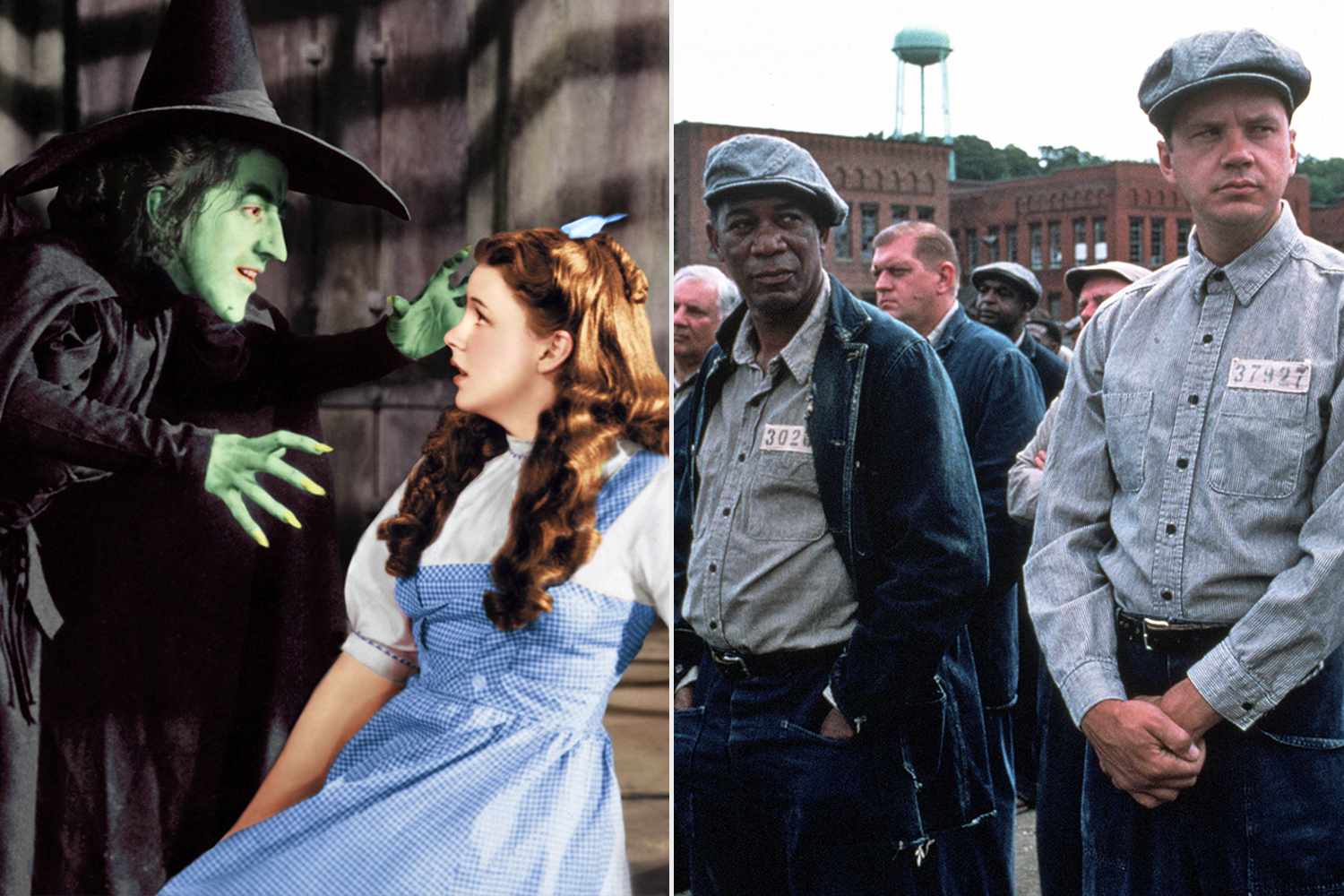
Margaret Hamilton and Judy Garland in ‘The Wizard of Oz’; Morgan Freeman and Tim Robbins in ‘The Shawshank Redemption’Credit: Silver Screen Collection/Hulton Archive/Getty; Snap/Shutterstock -
Several iconic films initially flopped at the box office due to poor marketing, high budgets or their release timing
Movies like The Wizard of Oz and Citizen Kane gained popularity years later through re-releases and critical recognition
Films such as It’s a Wonderful Life and Willy Wonka and the Chocolate Factory became classics after regular TV airings
Some films are late bloomers, including several now- iconic movies that flopped at the time of their release.
Films have underperformed at the box office for plenty of reasons from mismanaged marketing campaigns to overly ambitious budgets. It’s not rare for a film to do poorly at the box office, but what is rare is when the movie goes on to become a staple of its time.
For example, 1939’s The Wizard of Oz’s budget ballooned due to its elaborate sets and The Shawshank Redemption’s (1994) marketing campaign didn’t properly portray the movie’s themes. Many of these films, including It’s a Wonderful Life (1946) and Willy Wonka and the Chocolate Factory (1971), had to wait until airing on TV regularly to become classics.
Here’s a list of eight movies that flopped at the box office, but went on to become classics.
01 of 08
The Wizard of Oz (1939)
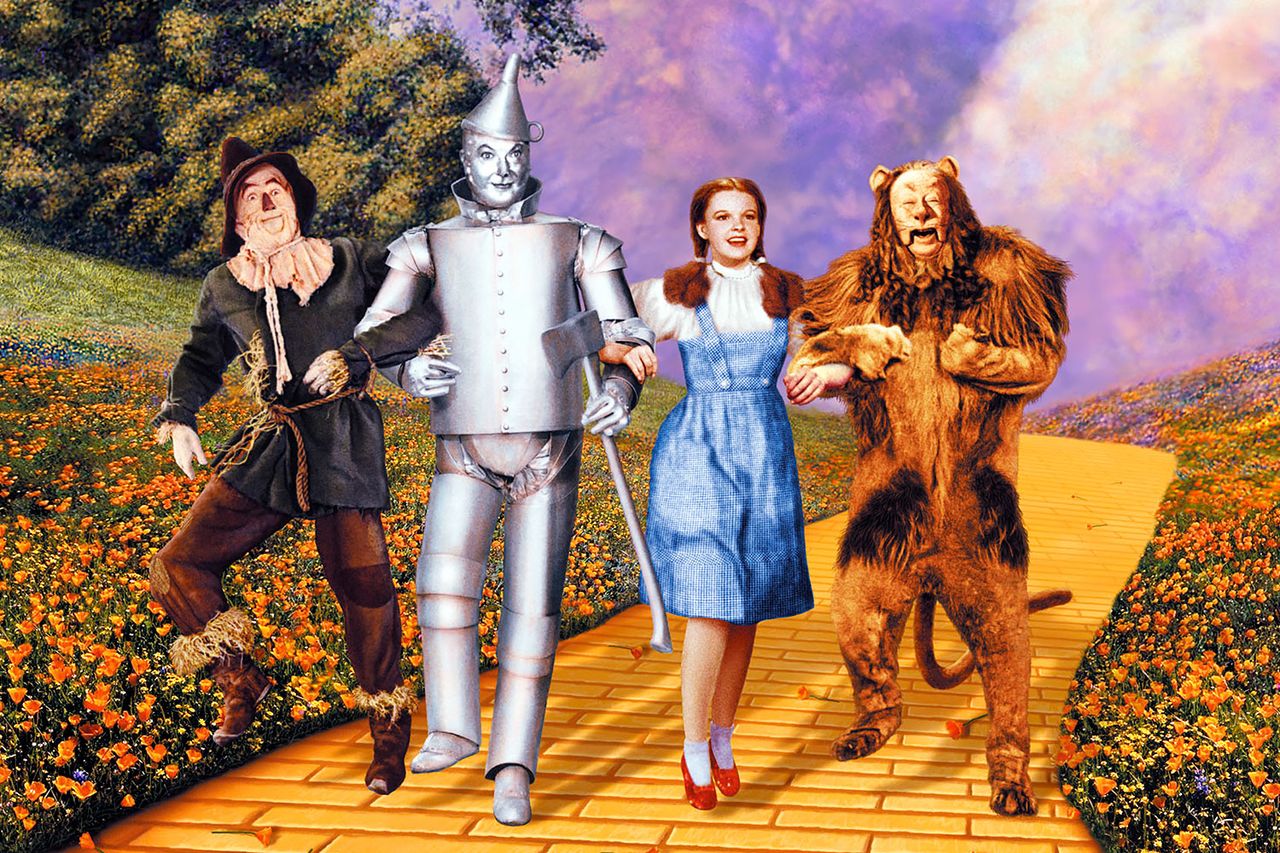
Ray Bolger, Jack Haley, Judy Garland and Bert Lahr in ‘The Wizard of Oz’Credit: Silver Screen Collection/Getty
The Wizard of Oz has become one of the most iconic films in the history of cinema — including being the first film to introduce color — but the general population didn’t know it at the time. In fact, The Wizard of Oz initially resulted in a loss of over $1 million for MGM after marketing, distribution and production costs were factored in, per the Los Angeles Times.
The film centered on Dorothy’s (Judy Garland) journey through the magical land of Oz, which involved elaborate, colorful sets that helped make it MGM’s most expensive film ever, with its production budget alone reaching $2.77 million.
Although only grossing $3 million initially, it went on to gross over $25 million in re-releases, per AFI Film Catalog. It also launched a mega-franchise that includes the Wicked films, which grossed over $1 billion total, per Box Office Mojo.
02 of 08
Citizen Kane (1941)
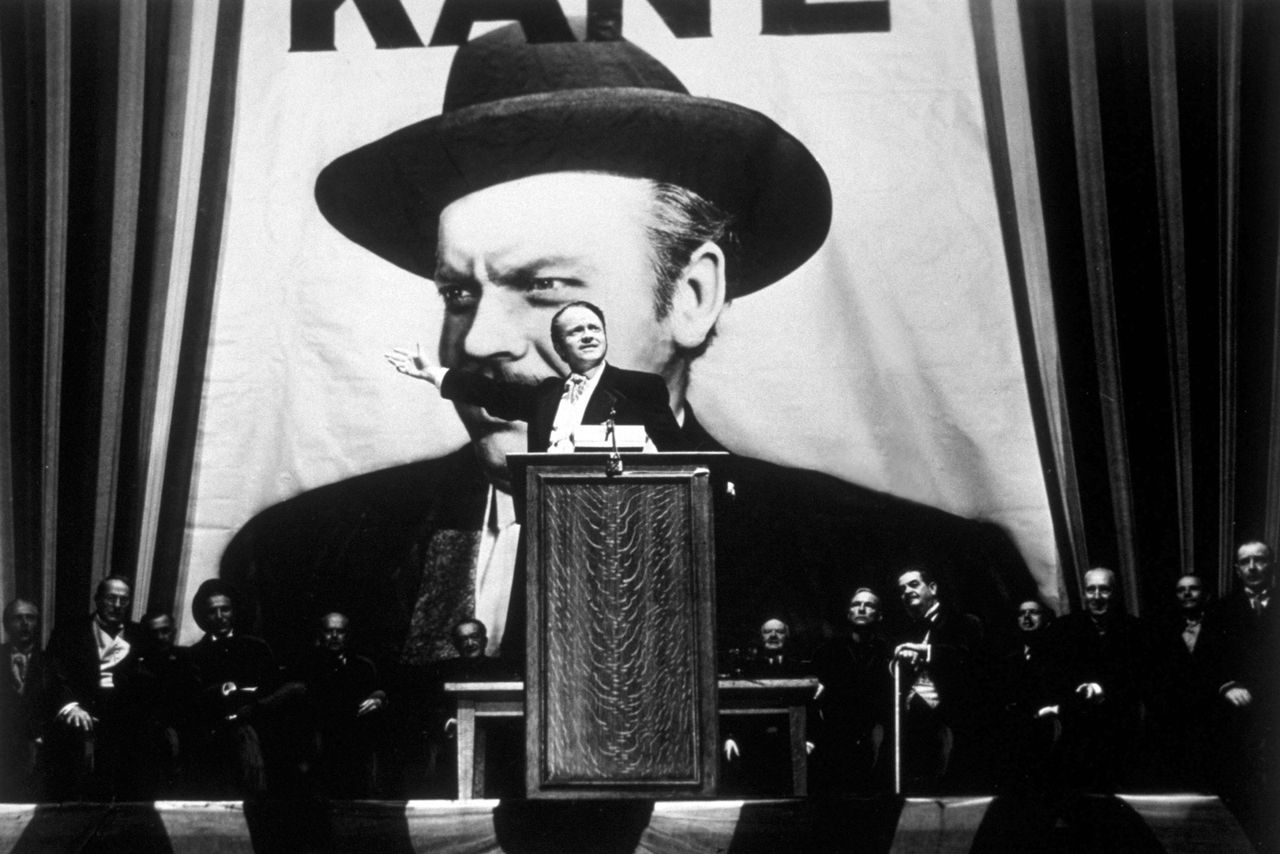
Orson Welles in ‘Citizen Kane’Credit: Hulton Archive/Getty
Citizen Kane is known as one the greatest films ever made, but there were challenging circumstances around its release. Legendary filmmaker Orson Welles based the fictional biographical film about Charles Foster Kane on the lives of numerous media moguls, but newspaper publisher and politician William Randolph Hearst took offense.
As Hearst refused to promote the movie in any of his newspapers — including the very popular San Francisco Examiner and New York Journal — some theatre chains even refused to play it out of fear of backlash from Hearst, per Smithsonian Magazine.
This hurt the film’s box office total as it earned just $160,000, failing to recoup its nearly $840,000 budget, per Box Office Mojo, but it still earned nine Academy Award nominations that year, including a win for Best Original Screenplay.
03 of 08
It’s a Wonderful Life (1946)
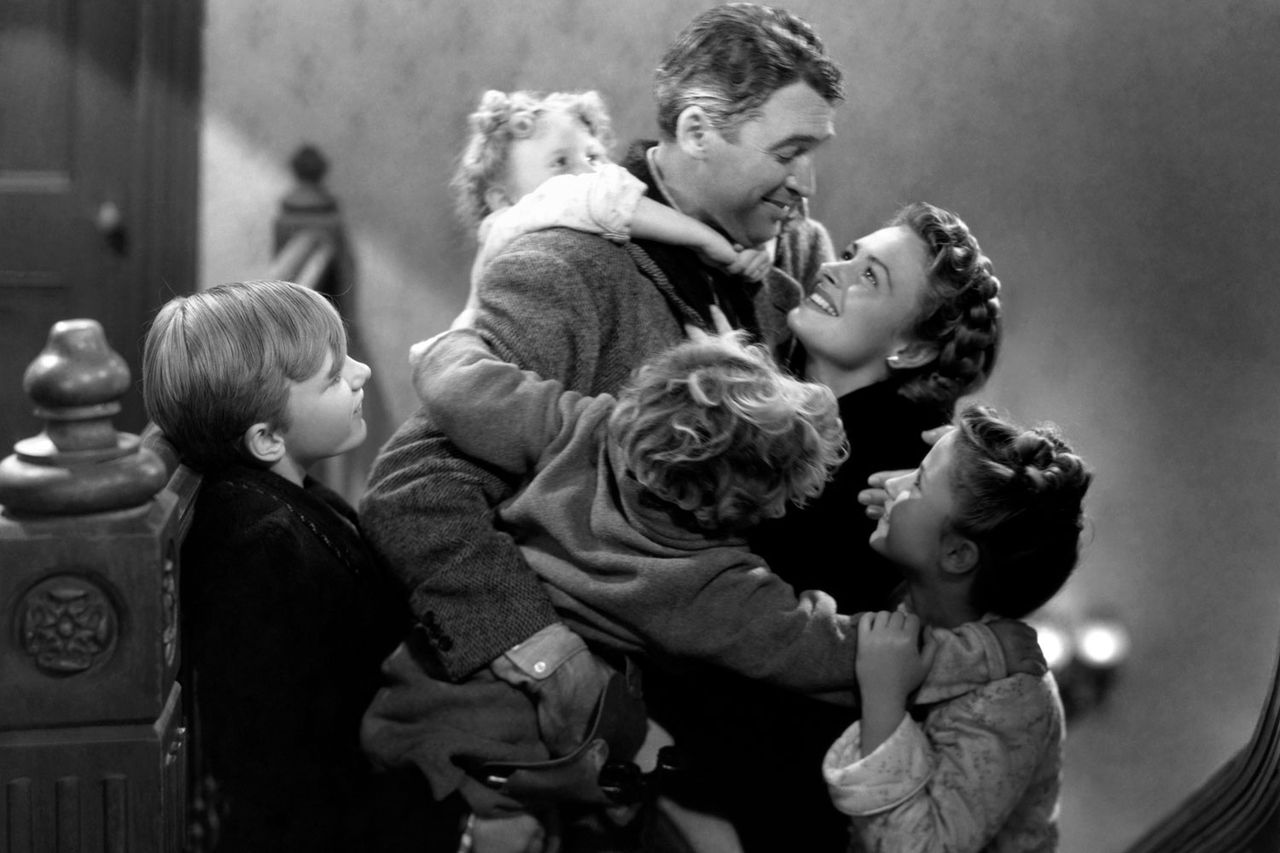
James Stewart, Donna Reed, Carol Coombs, Jimmy Hawkins, Larry Simms and Karolyn Grimes in ‘It’s a Wonderful Life’Credit: Herbert Dorfman/Corbis/Getty
It’s hard to believe there was a time where Frank Capra’s It’s a Wonderful Life wasn’t a part of every holiday season, but upon release it lacked box office success and received mixed reviews.
In the Christmas classic, George Bailey (Jimmy Stewart) falls on hard times and thinks about dying by suicide on Christmas Eve until a Guardian Angel shows him how many people’s lives he has impacted and what the world would be like without him.
The movie grossed $3.3 million, per Michael Willian’s 2006 book on the film, becoming a financial bust despite five Academy Award nominations. The film didn’t take off until it entered the public domain in 1974 and was aired on TV regularly around Christmas time, becoming retrospectively known as one of the greatest movies of all time.
04 of 08
Willy Wonka and the Chocolate Factory (1971)
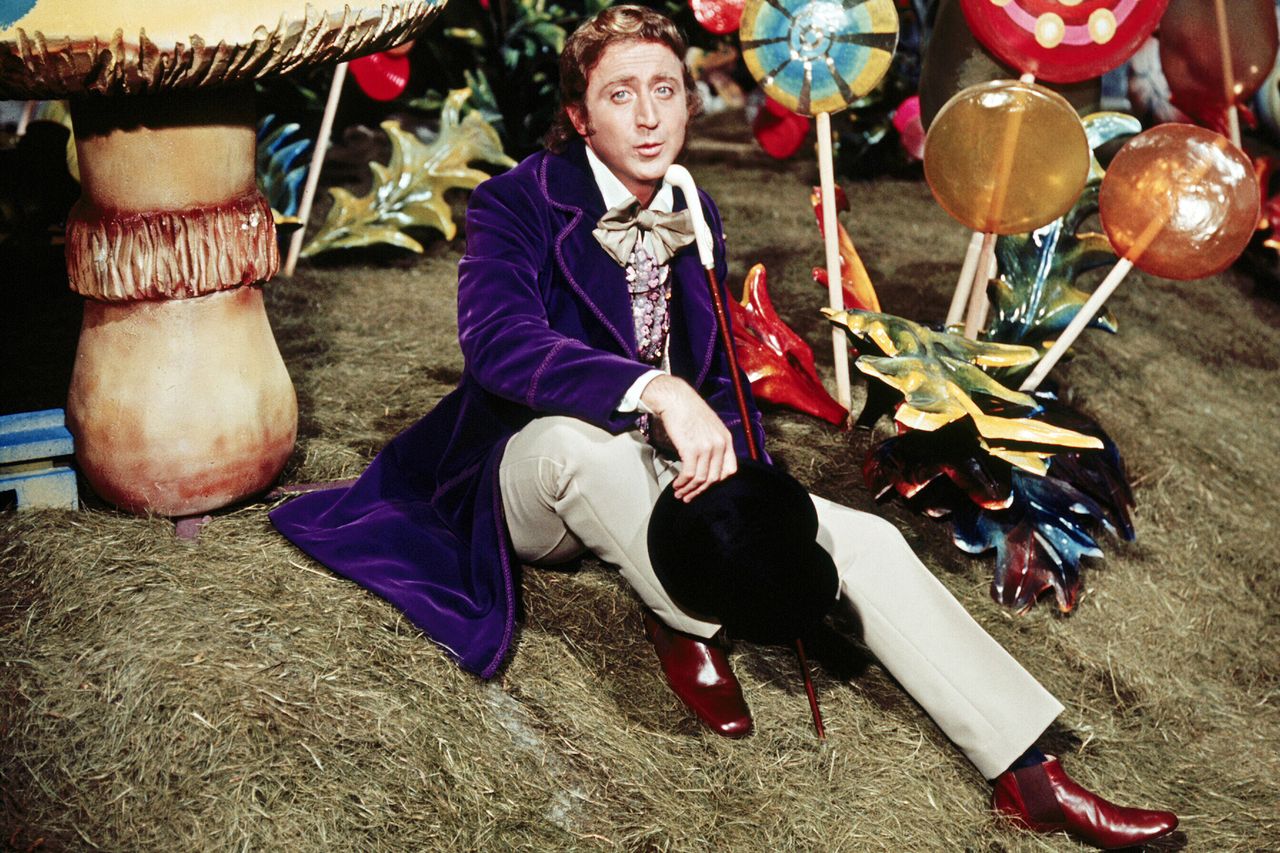
Gene Wilder in ‘Willy Wonka & the Chocolate Factory’Credit: Silver Screen Collection/Getty
Willy Wonka and the Chocolate Factory was one of those movies that didn’t catch on right away, but became a cultural touchstone. The story was adapted from Roald Dahl’s book, centering around the whimsical world of eccentric candy maker Willy Wonka (Gene Wilder) welcoming five kids who won Golden Tickets to his otherworldly, colorful chocolate factory.
Unfortunately, while the creators were betting on the endorsement of Dahl, the writer disowned the film after of a script rewrite done without his knowledge, per The Washington Post.
Advertisement
The film grossed $4 million against a $3 million budget, per The New York Post, while receiving good reviews, but didn’t gain much traction until years of TV replays and the 1996 25th anniversary re-release which grossed many more millions.
05 of 08
Dazed and Confused (1993)
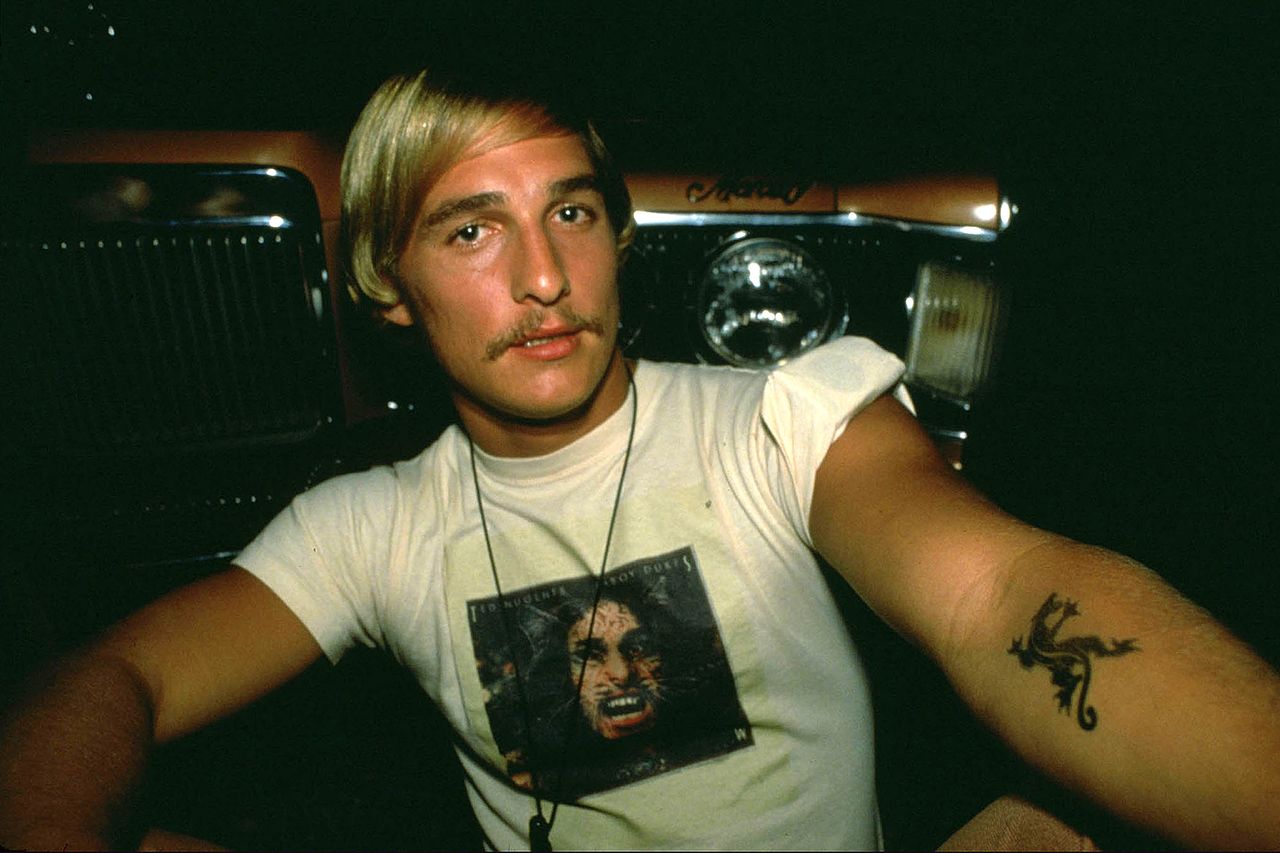
Matthew McConaughey in ‘Dazed and Confused’Credit: Universal/Gramercy/Kobal/Shutterstock
A high school coming-of-age comedy featuring breakout performances from Matthew McConaughey, Ben Affleck, Parker Posey directed by Richard Linklater set on the last day of school in 1976? It sounds like the recipe for a box office smash as McConaughey’s “Alright, Alright, Alright” and the film’s double-platinum soundtrack became ubiquitous in culture, but the film initially bombed.
According to Linklater, the issues surrounded the film’s marketing. He wanted the movie released around the end of school year in June — rather than its September release date — and wanted the film’s marketing to be more character-focused while Gramercy Pictures wanted it presented as more of a stoner film, according to Melissa Maerz’s 2020 book on the film.
Despite only earning $8.2 million against a $6.9 million budget, per Box Office Mojo, the film earned positive reviews and is frequently listed as one of the greatest high school movies of all time.
06 of 08
The Shawshank Redemption (1994)
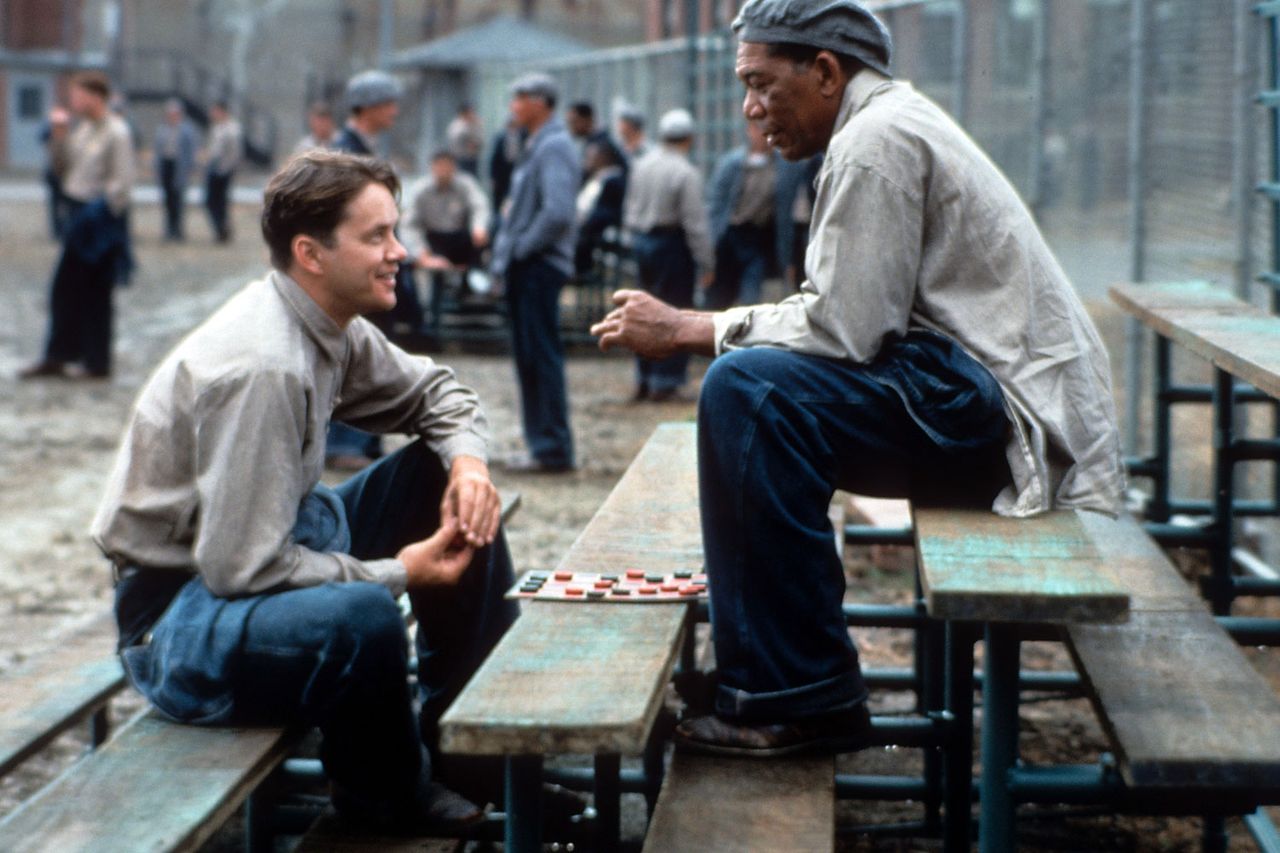
Tim Robbins and Morgan Freeman in ‘The Shawshank Redemption’Credit: Castle Rock Entertainment/Getty
The Shawshank Redemption is frequently listed as one of the greatest movies of all time, but it bombed at the box office for several reasons. First of all, it was released the same day as Quentin Tarantino’s legendary Pulp Fiction and in the middle of Forrest Gump’s successful theatrical run.
The movie was also marketed as a bleak prison movie rather than the uplifting tale it actually is and Morgan Freeman even said that people found the title confusing, per Vanity Fair.
All these factors led to a mere $16 million at the box office against a $25 million budget, per Box Office Mojo, but seven Academy Award nominations and multiple positive retrospective reviews helped The Shawshank Redemption earn its own redemption.
07 of 08
Fight Club (1999)
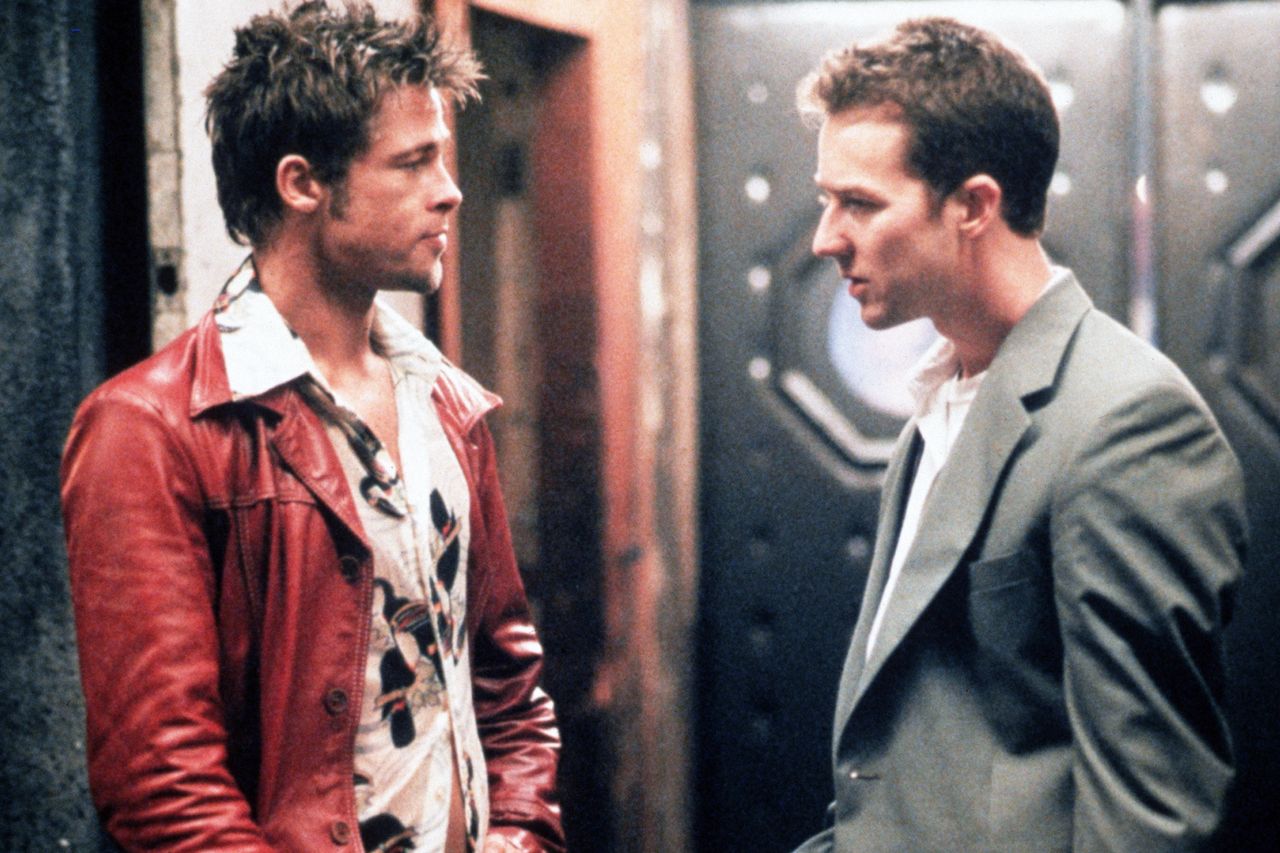
Brad Pitt and Edward Norton in ‘Fight Club’Credit: Merrick Morton/20th Century Fox/Kobal/Shutterstock
Fight Club provided one of cinema’s greatest twists with the reveal of the connection between Brad Pitt’s Tyler Durden and Edward Norton’s unnamed narrator in the story about an underground fight club. However, the great twist of this film — consistently ranked as one of the best of the ‘90s — is that it failed to find success at the box office upon its release, as described by Norton himself.
“Fight Club, it was a total financial bomb,” he said on the Fly on the Wall podcast in 2026. “I think that movie cost $60 to $70 million bucks to make and I don’t even know if it got to $40 million at the U.S. box office.”
The edgy film premiered at the Venice Film Festival, which Norton thought was an odd fit. This, combined with criticism of its excessive violence led to negative box office results — grossing $37 million against a $63 million budget, per Box Office Mojo — before the film eventually became hailed as an all-time classic.
08 of 08
The Iron Giant (1999)
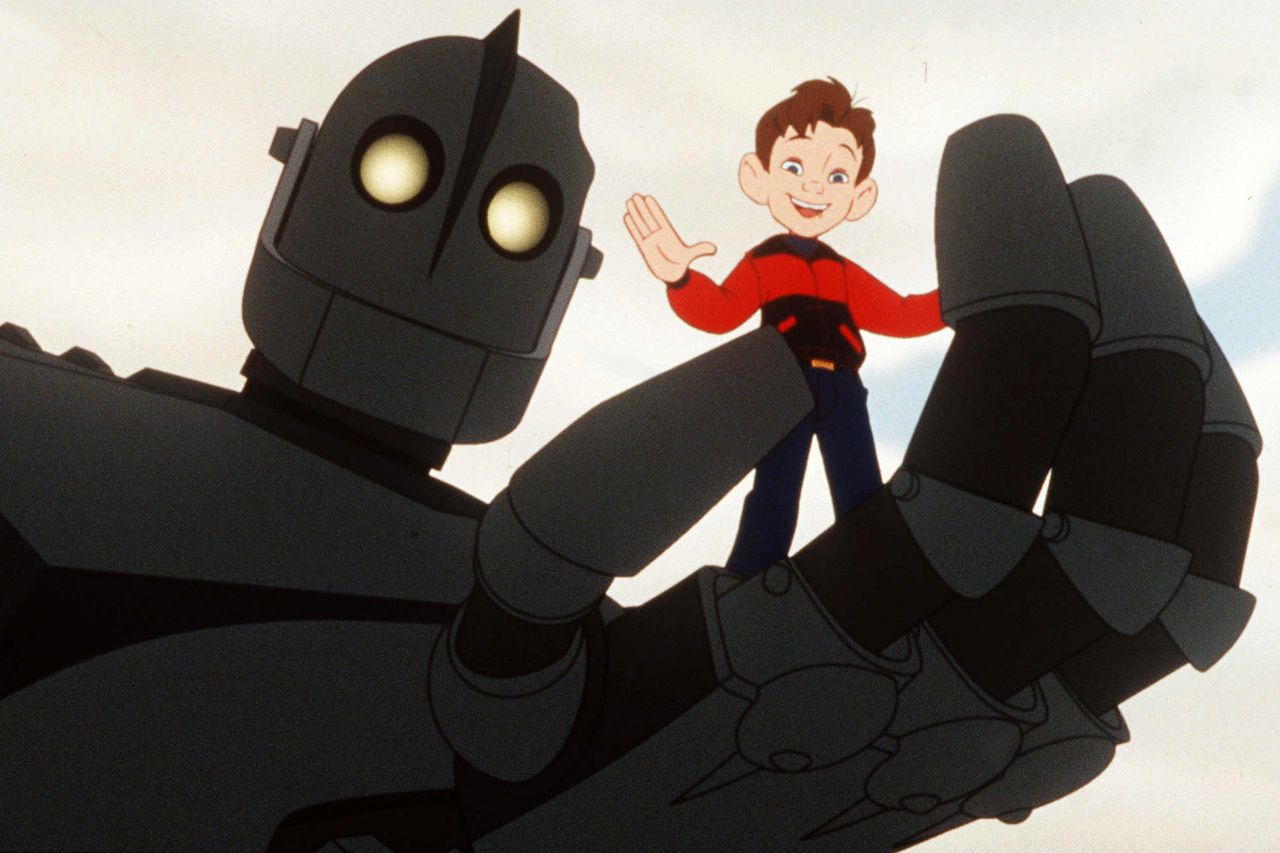
‘The Iron Giant’Credit: Warner Bros/Kobal/Shutterstock
Today, Brad Bird’s directorial debut, The Iron Giant, is one of the most celebrated and beloved animated films of all time, but upon its 1999 release, it bombed at the box office.
Set during the Cold War in 1957, the science-fiction fantasy film sees 9-year-old Hogarth Hughes befriend a gigantic robot (Vin Diesel) and features a cast including Jennifer Aniston and Harry Connick Jr.
After the commercial failure of Warner Brothers’ 1998 animated film Quest for Camelot, they put little marketing efforts into The Iron Giant, including not getting it a fast-food toy tie-in, which was signature for animated films of the era.
The Iron Giant grossed $23 million at the box office against a budget of $70 million, per Box Office Mojo, but the positive critical reception led to much more successful efforts in marketing the home video release and subsequent re-releases.
on People
Source: “AOL Entertainment”
