


Britain ‘taxing itself to death’ as investors lose faith
Britain ‘taxing itself to death’ as investors lose faith

Dia ChakravartySat, September 5, 2026 at 5:15 PM UTC
0
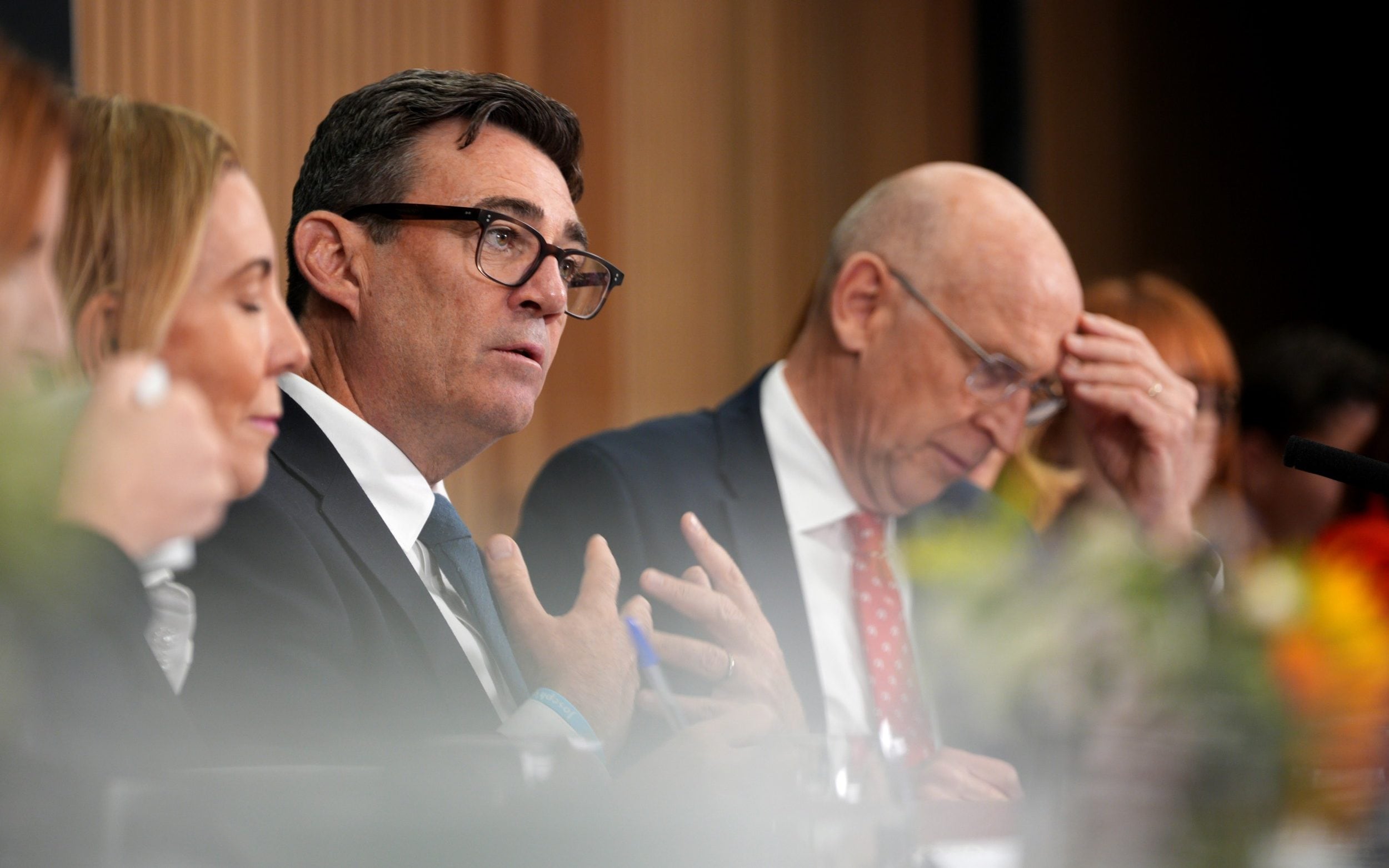
Andy Burnham and John Healey have not ruled out raising taxes in their first Budget next month - Christopher Furlong/Getty Images
Andy Burnham has been warned that Britain is “taxing itself into death” as investors lose faith in the Government’s ability to manage public finances.
Arthur Laffer, one of the most prominent American economists and a former adviser to three presidents, said the UK was “in a death spiral” with “too little growth, too little prosperity”.
He warned Mr Burnham against a fresh tax raid in next month’s Budget, saying it would only worsen Britain’s problems.
John Healey, the Chancellor, is scheduled to give a speech on Monday setting out his approach to growth. He is expected to say that encouraging wealth creation by private businesses is critical to generating growth in the economy as a whole.
Mr Healey will also make the argument that the UK cannot have growth unless it has fiscal stability, and that there must be a degree of headroom so the economy can withstand any unexpected crises.
A Treasury source said: “The Chancellor will set out a plan for good growth across the country next week. This will build on Britain’s record as the fastest-growing economy in the G7 this year.
“He also knows that growth is not possible without fiscal stability and is determined to ensure this country’s finances have a buffer against global uncertainty.”
Pimco, one of the world’s biggest bond investors, said the UK was losing “economic and fiscal credibility” after a bruising week in the gilt market.
Prof Kenneth Rogoff, a former chief economist at the International Monetary Fund (IMF), said a recent sharp rise in borrowing costs meant the UK was now the most vulnerable country in the rich world to a debt crisis.
Before a visit to London this week, Mr Laffer, who has advised Ronald Reagan, Bill Clinton and Donald Trump, said: “I would love to see Britain become prosperous. That’s my dream.
“[But] your record is not illustrating a good set of policies. It’s really indicating exactly what you see when [an] economy gets in the death spiral.”
The economist is best known for his eponymous theory that income from taxes begins to fall when rates are raised too high.
He told The Telegraph: “I have never heard of an economy being taxed into prosperity. What’s happening is, Britain is taxing itself into death. Your problem is not too little revenue. Your problem is too little growth, too little prosperity.”

Arthur Laffer, a prominent American economist, received the Presidential Medal of Freedom from Donald Trump in 2019 - Jim Watson/AFP via Getty Images
The interest rate investors charge the UK government on 10-year loans briefly hit its highest level since August 2007 last week, amid a global sell-off in bond markets.
While borrowing costs have risen globally, Britain suffered the sharpest rise in the G7 amid concerns about the state of public finances and the upcoming Budget.
City economists predict that the Prime Minister and Mr Healey will have to find billions of pounds to repair the Government’s headroom against the fiscal rules after the surge in bond yields.
The Chancellor is scheduled to give a speech on Monday that will set out his approach to growth. He is expected to say that encouraging wealth creation by private businesses is critical to generating growth in the economy as a whole.
Mr Healey will also make the argument that the UK cannot have growth unless it has fiscal stability, and that there must be a degree of headroom so the economy can withstand any unexpected crises.
Investors have urged Mr Burnham to slash spending to fill the gap. However, the Prime Minister has not ruled out further tax rises or more borrowing.
Advertisement
Rupert Harrison, a senior advisor for the UK at Pimco, which manages more than $2tn (£1.5tn) in assets, said: “The UK is paying a premium because of a perceived loss of economic and fiscal credibility.”
Mr Harrison, a former chief of staff to George Osborne, said a failure to get to grips with inflation and runaway borrowing had left the UK in this predicament.
He said: “The UK has been caught up in this global trend, but our borrowing costs have also been higher than most other advanced economies for some time.”
Prof Rogoff, who was chief economist at the IMF from 2001 to 2003, said the bond rout was a bigger threat to the UK than other developed countries and could force Mr Burnham to call on the IMF for help.
Prof Rogoff, now an academic at Harvard, said: “The UK and the US might be the two most vulnerable countries, and probably the UK more vulnerable.
“There’s no growth story at the moment in the UK. The debt levels are high, interest rates are high, and growth is not.”
He added: “The UK is certainly vulnerable to a debt crisis, and one of the tools in a debt crisis is to call on the IMF for advice.
“If your debt is high, the interest rates you’re paying are already high, you’re politically paralysed, often that’s a recipe for having a debt crisis.”
Rachel Reeves, the former chancellor, had £23.6bn of headroom against the Government’s fiscal targets at the spring statement but rising bond yields and inflation triggered by the war in Iran have eroded this.
Colin Ellis, the head of research at Moody’s Analytics, said: “With everything we’ve seen, I don’t think there’s any headroom left really when Healey stands up to deliver his Budget.
“If we’re in a world now where that gets wiped out and you don’t do anything about it, that’s a pretty strong signal that markets could react to.”
Neil Falconer, the head of capital markets at Standard Life, which manages more than £300bn, said: “Investors will be paying close attention to the UK’s fiscal headroom, spending plans and borrowing requirements, particularly given expectations of greater volatility in UK rates markets.”
David Coombs, the head of multi-asset investments at Rathbones, said the wealth manager would not buy into UK government debt “unless we see solid policy announcements from the Government in the coming weeks, with a view to tackling the deficit or clear action in the Budget to promote growth”.
Jeremy Hunt, the former chancellor, urged his successor to tread carefully. He said: “The bond markets are equally concerned about unfunded spending commitments from a Labour Government as unfunded tax cuts from a Conservative one – mess with them at your peril.”
Helen Miller, the director of the Institute for Fiscal Studies, said the Labour Government had, to its credit, managed to reduce debt levels slightly, but warned it must keep investors onside.
She said: “They have a pretty ambitious plan to get borrowing down. But investors do worry about how credible that is. Are the Labour government going to want to go into the next election with very tight spending plans?
“There is a direct price tag associated with not being seen to be credible.”
While many investors are concerned about the state of public finances, some see opportunities to buy gilts given higher returns on offer. Gilt prices fall when yields rise, meaning the products are cheaper and payouts are comparatively more attractive.
Helen Anthony, a portfolio manager at Janus Henderson, which has £400bn of assets, said: “We continue to see value and are currently positioned for UK rates to outperform other developed markets through the end of the year.”
Try full access to The Telegraph free today. Unlock their award-winning website and essential news app, plus useful tools and expert guides for your money, health and holidays.
Source: “AOL Money”
