


Dolly Parton unified us, no matter our differences | Christensen
Dolly Parton unified us, no matter our differences | Christensen

Holly Christensen, Akron Beacon JournalSun, September 6, 2026 at 10:02 AM UTC
0
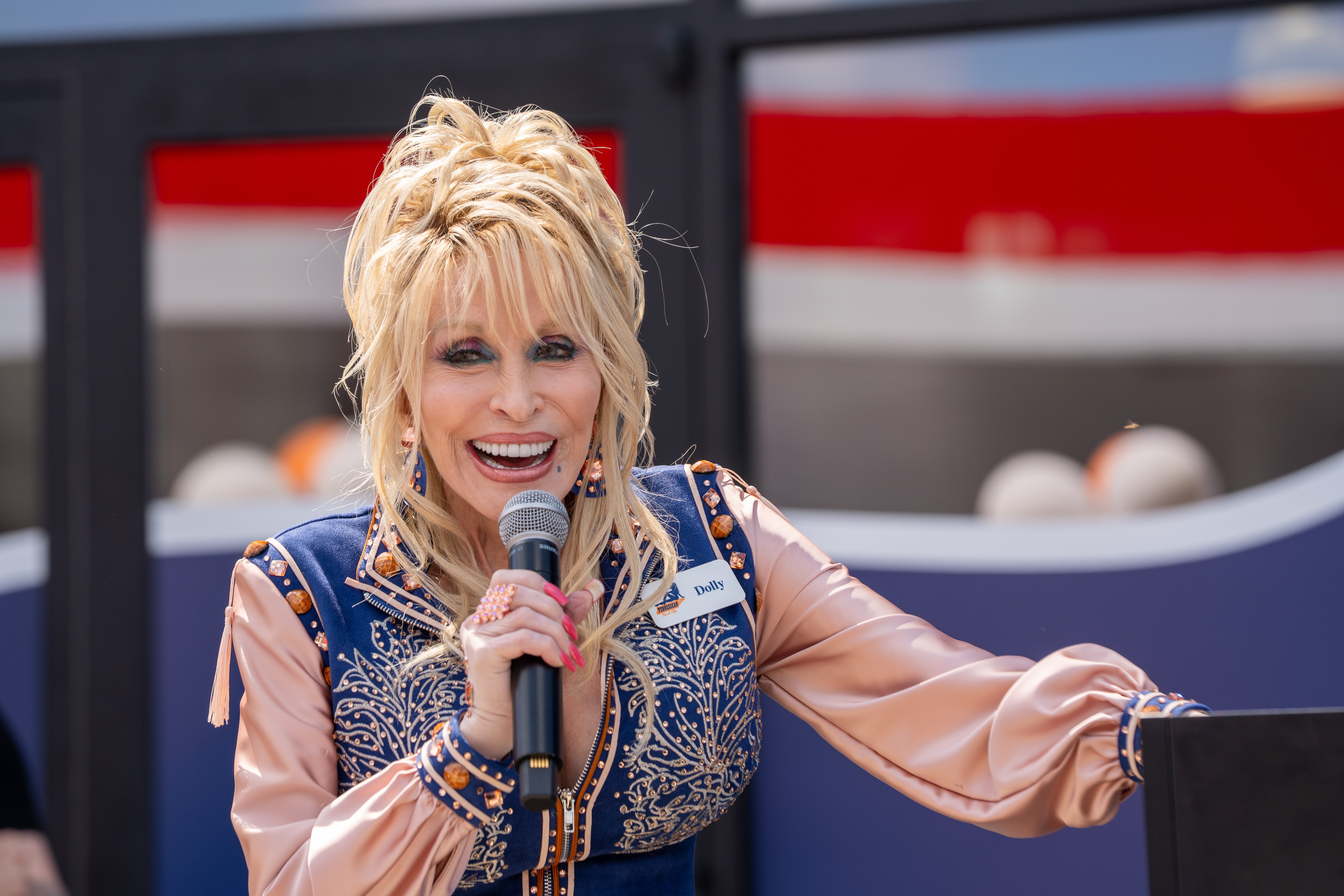
When I was 5 years old, my mother married an Appalachian man who had grown up near the Ohio River. The radio in his car and our garage, where he spent much of his weekends refinishing furniture and fixing things, was always tuned to the local country and western station.
It wasn't unusual in the 1970s to enjoy a variety of music genres. Hit songs that crossed between pop and country were common. Weekly television music variety shows, such as "Hee Haw," (country) "Soul Train" (R & B, soul and, later, hip hop) and "Lawrence Welk" (big band), were popular. "The Porter Wagoner Show" introduced many, including me, to Dolly Parton, who was a regular cast member from 1967 to 1974.
I was 8 when Parton released the album "Jolene," which my stepdad promptly purchased and I frequently played on our stereo's turntable. The title track's continuous guitar refrain, which sounds simple but has a surprisingly complex finger-picking pattern, thrums through the piece like a steady train engine while Parton's unforgettable voice implores a woman with "flaming locks of auburn hair, with ivory skin and eyes of emerald green" not to take her man, even though she can.
Someone at the bar where my mother worked claimed Parton's inspiration for the song came from a young girl who, after Parton had performed at a county fair, gave the singer her school photo. Upon the back she had written: "To Dolly from Jolene."
It made me happy to think a gifted musician would write such a beautiful song because of a child's simple gift. Decades later I'd learn that story is only partly true, but given Parton's empathetic personality, it was wholly believable.
In 1980, the film "9 to 5," in which Parton had a leading role, added movie star to her resume. She wrote and recorded the title song with its staccato beat that captures the "tick-a-tick-a-tick" both of an electric typewriter and the grind of a job where the workers are just another "step on the bossman's ladder." That year, the swing choir at my high school, and probably hundreds across the country, performed the song as it was a breeze to choreograph.
Advertisement
The soundtrack to my young adult years is mostly new wave and punk, but I regularly returned to Parton for what is to my ears the same as a good home-cooked meal is to my stomach − comfort. When my son Hugo was 3, his favorite CD was "Dolly Parton's Greatest Hits." He played it on continuous repeat, just as I had played "Jolene" 25 years earlier, singing along with all of Parton's best-know songs.
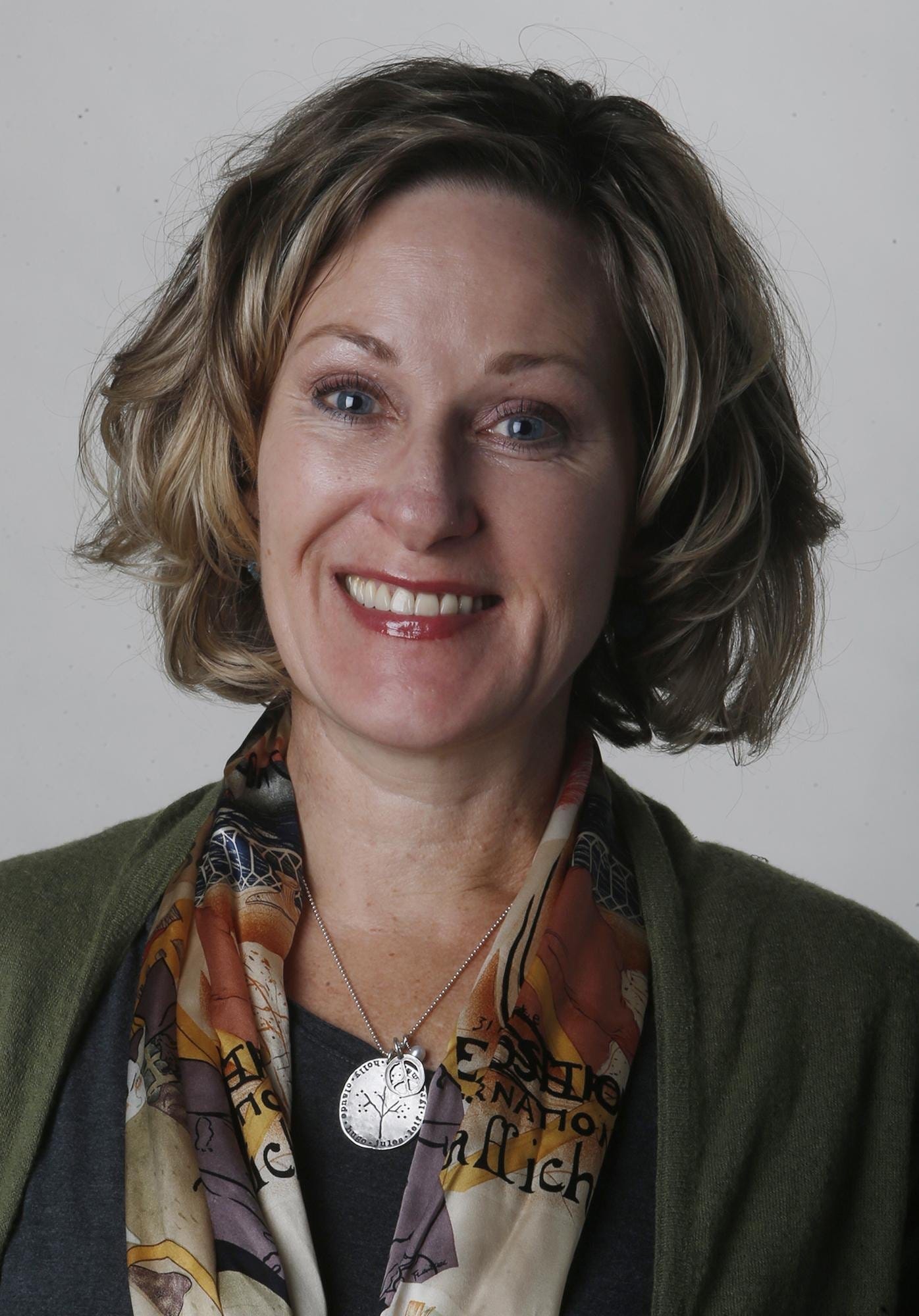
Years later, when he was an undergrad at Eastman School of Music, Hugo spent several summers working at Tanglewood, the summer home of Boston Symphony Orchestra. Like Blossom Music Festival, performers from a variety of musical genres also hold concerts at Tanglewood. It was there that Hugo saw Parton and while her voice was as delightful as always, his main takeaway was her self-deprecating humor as she made fun of her own boobs or claimed she could play the saxophone backwards, then turned her back to the audience before blowing out a tune.
The outpouring of admiration and affection for Parton after her death last month is unlike any I can recall for a public figure. Her sparkly exterior, routinely lampooned in the first decades of her career, was a foil for a savvy heart and mind. A brilliant songwriter, singer, instrumentalist and consummate performer, she was also a shrewd businesswoman whose career began at a time (the 1960s), place (Nashville) and in an industry (country music) where, to quote columnist George Will, it "was not a lagoon of advanced thinking about the emancipation of women."
Who else in this divisive era could rise above culture wars to embrace her status as a gay icon (with a wardrobe, wig and makeup collection the envy of any drag queen), give $1 million of her own money for the development of the COVID vaccine and not lose the love and respect of the most conservative Americans? After Parton's death was announced, President Trump ordered flags at government buildings and facilities across the nation to be flown at half staff for a week in her honor. Her abiding, kind intelligence and ability to seemingly never take offense somehow unified people, at least in their admiration of her, no matter their differences.
I read the news of Parton's passing while sitting at my laptop and immediately streamed the song in which she sings, "Little sparrow, little sparrow, precious fragile little thing. Little sparrow, little sparrow, flies so high and feels no pain." Though Dolly Parton wasn't little or fragile, she was indeed precious. May she fly high and feel no pain.
Contact Holly Christensen at whoopsiepiggle@gmail.com.
This article originally appeared on Akron Beacon Journal: Dolly Parton unified us, no matter our differences | Christensen
Source: “AOL Entertainment”
