


ECB forced to allow gambling sponsors on Hundred shirts after deal shortage
ECB forced to allow gambling sponsors on Hundred shirts after deal shortage

Will MacphersonThu, July 9, 2026 at 2:00 PM UTC
0
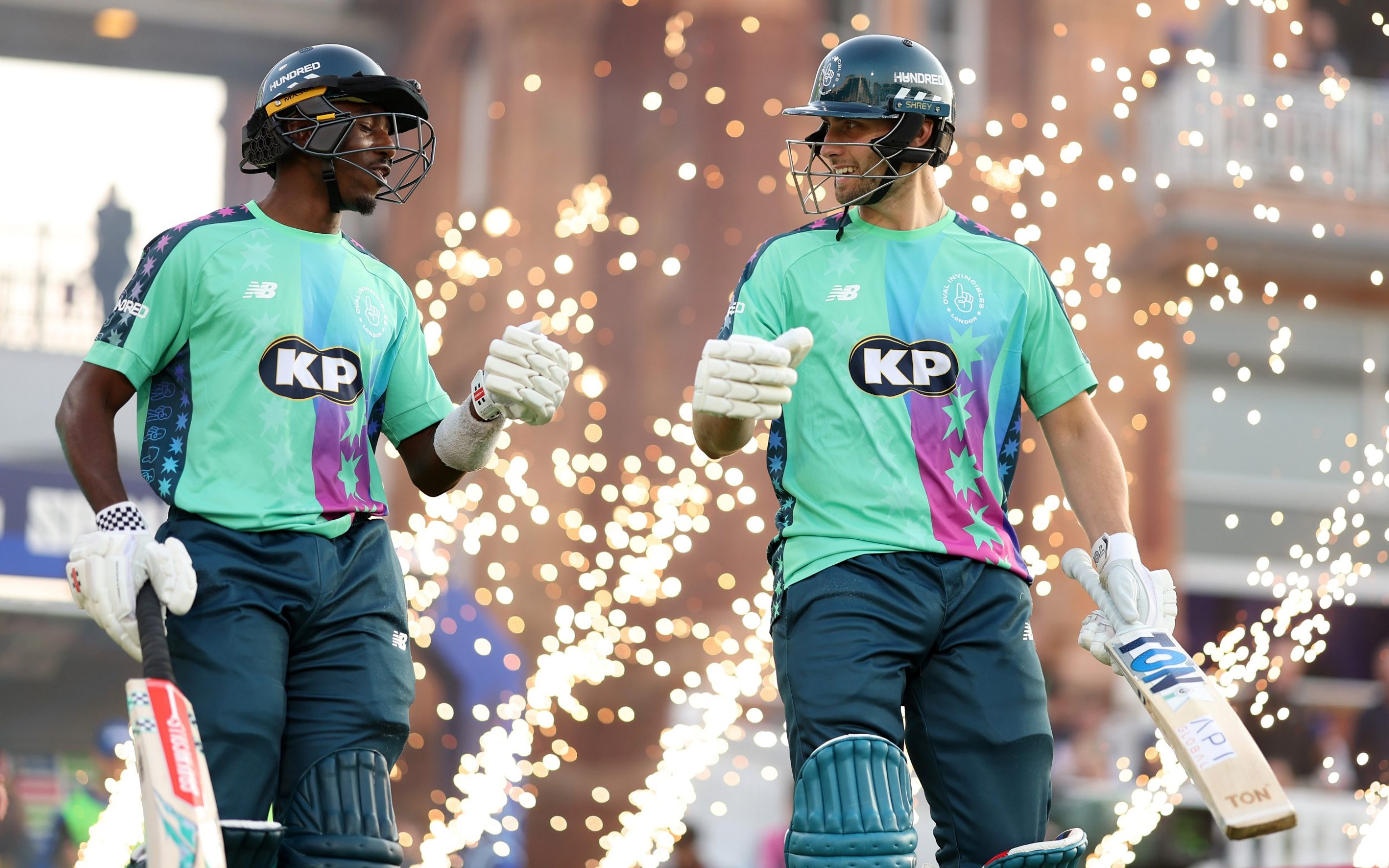
Teams were previously sponsored by different products from the portfolio of KP Snacks, with deals handled centrally by the ECB - Alex Davidson/Getty Images
The England and Wales Cricket Board (ECB) have been forced to allow gambling sponsorship deals in The Hundred after teams were facing the prospect of unsponsored shirts this year.
The Hundred was designed to bring in a new audience to cricket and has styled itself as a family-friendly competition.
However, just 12 days before the new season begins, three of the eight teams are yet to sign front-of-shirt sponsorship deals, after most teams found the market difficult to attract interested parties. One other team is very close to signing a deal, while two more do not have any agreement in place.
This has led to The Hundred Board, which is made up of representatives of the eight teams and the ECB, agreeing that teams can sign deals with gambling firms. The ECB says there are parameters in place around any such deal, and that an outright ban on any gambling involvement will be introduced from 2027.
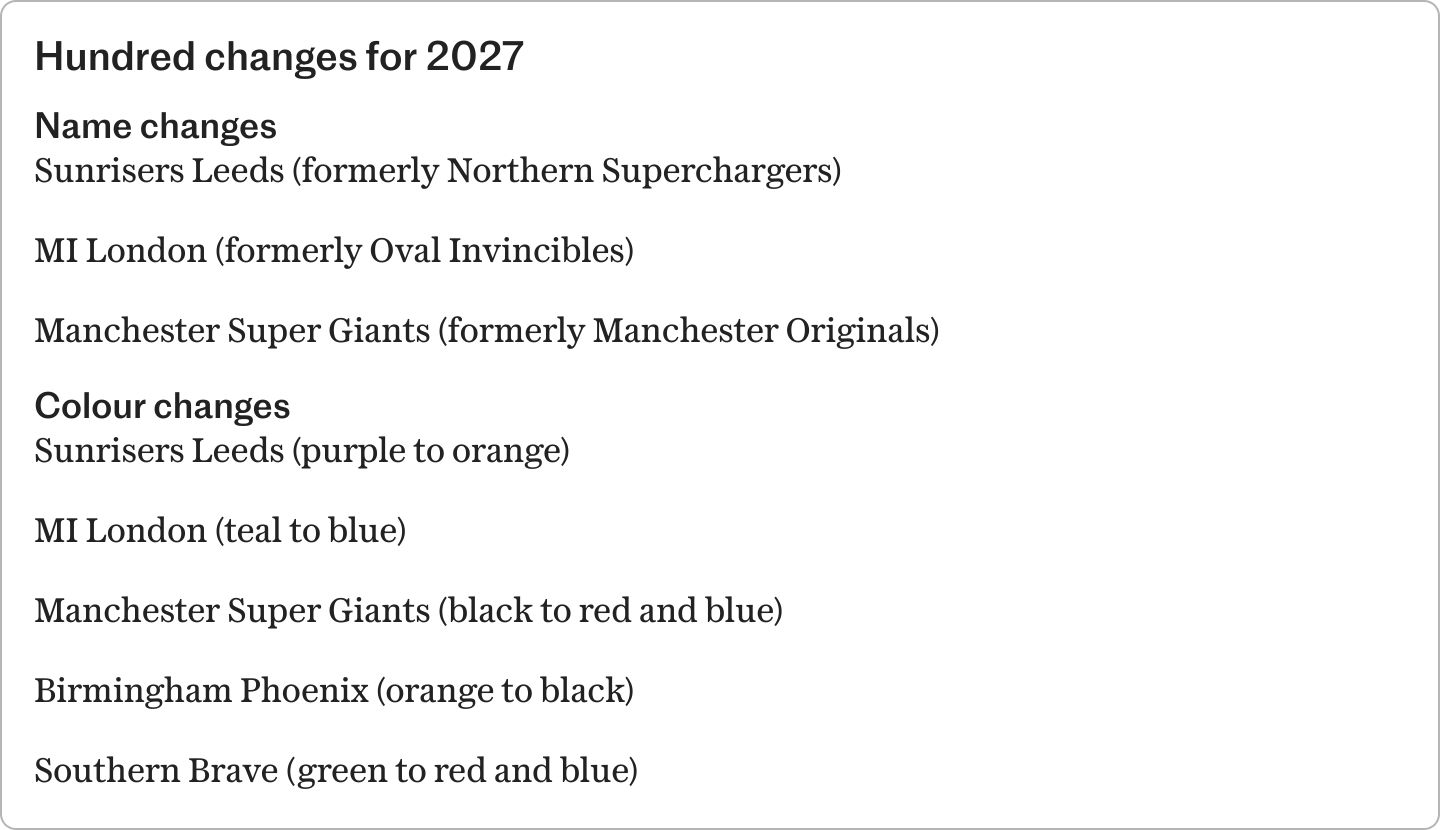
Early last year the ECB sold stakes in the eight teams in The Hundred meaning they are now owned by private investors and the counties that host them. The 2026 season, The Hundred’s sixth, will be the first where the new ownership model is in place. Three of the teams have new names to align with the Indian Premier League teams that own or part-own them, while five have changed their colours since last summer, meaning the new season represents a “reboot”.
In previous seasons, matters such as sponsorship and ticketing have been handled centrally by the ECB, giving the tournament a uniform feel. Through a deal with KP Snacks, the teams were each sponsored by a different crisp or snack food product from the company’s portfolio.
However, control has now been handed to the teams, meaning they are free to secure their own front of shirt sponsors, and profit from it. There is still a deal for KP, but it has been amended so the likes of Pom Bears and Hula Hoops will now appear in less prominent positions on the shirt’s sleeve.
When the ECB revealed the eight new strips at the start of June, only MI London (Sokin), London Spirit (Barclays) and Birmingham Phoenix (Skechers) had sponsors on the front of their shirts. Since then, two more teams have signed deals, some with companies who already had relationships with their investors.
The issue of gambling sponsorship has been a major sticking point. Some teams have been insistent that they should be allowed betting sponsors, while the ECB appear intrinsically against it given the tournament’s family-friendly approach.
The ECB have sought to only take sponsorship from appropriate partners, and even the KP deal, which was worth around £4m across its first five years, faced criticism from health campaigners and MPs because crisps are unhealthy.
Advertisement
While betting deals have recently been banned in football, gambling sponsors remain very common in cricket, with a number of counties partnering with the Filipino firm Dafabet.
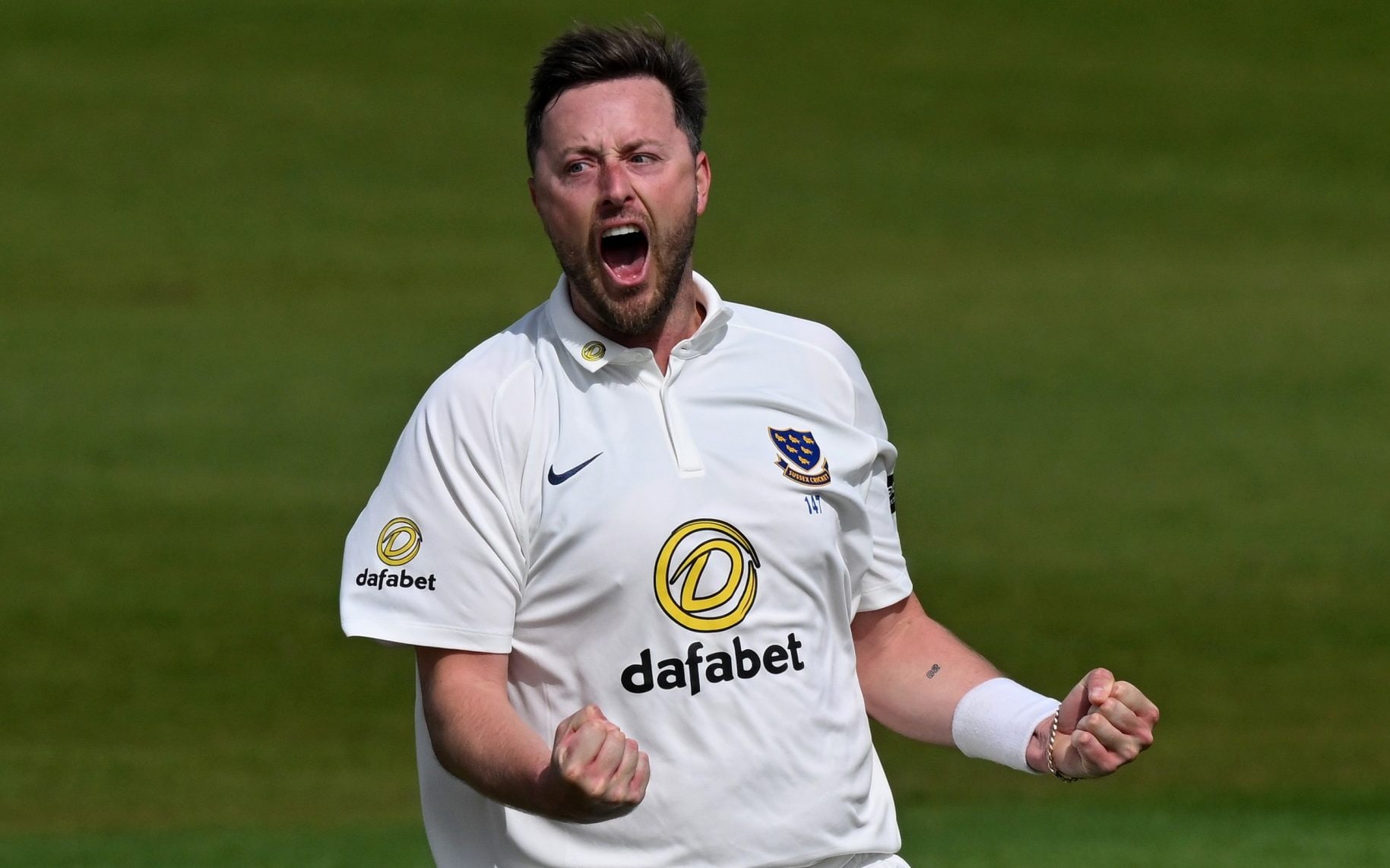
Sussex are among the county teams partnered with the Filipino firm Dafabet - Mike Hewitt/Getty Images
At the most recent Hundred Board meeting it appears a compromise position was reached on a “needs-must” basis, given the tournament starts so soon.
It will result in:
gambling sponsorship being allowed in 2026 but banned from 2027
deals with gambling firms being a “last resort” and hitting a certain value threshold
any player being able to have the logo removed from their shirt on personal grounds
any U18 player having the logo removed automatically
any children’s replica shirts not featuring the logo
When approached for comment by Telegraph Sport, an ECB spokesperson said: “While on-kit betting partnerships are permitted in county cricket and many other cricket leagues around the world, The Hundred Board has agreed that they should be banned in The Hundred given the competition’s family-friendly focus.
“Ultimately this is a decision for teams to make, and given the transitional nature of 2026, some teams remained keen to have the option to pursue visible betting partners for this year’s competition only. Consensus was therefore reached amongst the teams to permit on-kit betting partnerships in 2026, subject to a number of strict parameters.
“These parameters only allow teams to pursue a one-year deal for 2026, with teams unanimously agreeing to ban on-kit betting advertising from 2027. In addition, any partnerships must comply with the Code of Conduct on Sponsorship Agreements with Gambling Companies which includes kits available to purchase for fans without a sponsor logo, restricting any venue activations, and all players being given the option to wear playing kit that does not feature gambling branding. In addition, a minimum commercial value threshold is in place.”
There is confidence that all teams will sign a deal before the tournament begins. Being without a shirt sponsor would be an issue both from an optics and a commercial perspective, with each team having ambitious targets in place based on projections made in the sales process.
Insiders believe teams have around a week to secure remaining sponsors, either for front of shirt slots or other areas because they need to print the kit in time for the first match. Spirit have done a sleeve deal with Uber, while MI London have signed with BKT tyres, but other teams are finding the market very tough.
The reasons for the slow sponsorship market are varied. Insiders say the UK sports sponsorship market has been tough because of the state of the economy and possibly the war in Iran. The ban on gambling sponsors in Premier League football has forced many clubs to seek alternative sponsors. Then there are also issues specific to The Hundred, as the terms of the ECB’s deals with their existing partners – such as KP, Unilever and Vitality – mean contracts cannot be signed with their rivals, blocking off certain industries.
The Hundred Board is made up of two representatives from each team (a total of 16), and four from ECB.
Source: “AOL Money”
