


Lou Reed's 'Walk on the Wild Side': The Iconic Song's Surprising Origins Revealed
Lou Reed's 'Walk on the Wild Side': The Iconic Song's Surprising Origins Revealed

Jacqueline Burt CoteSun, September 6, 2026 at 3:27 AM UTC
0
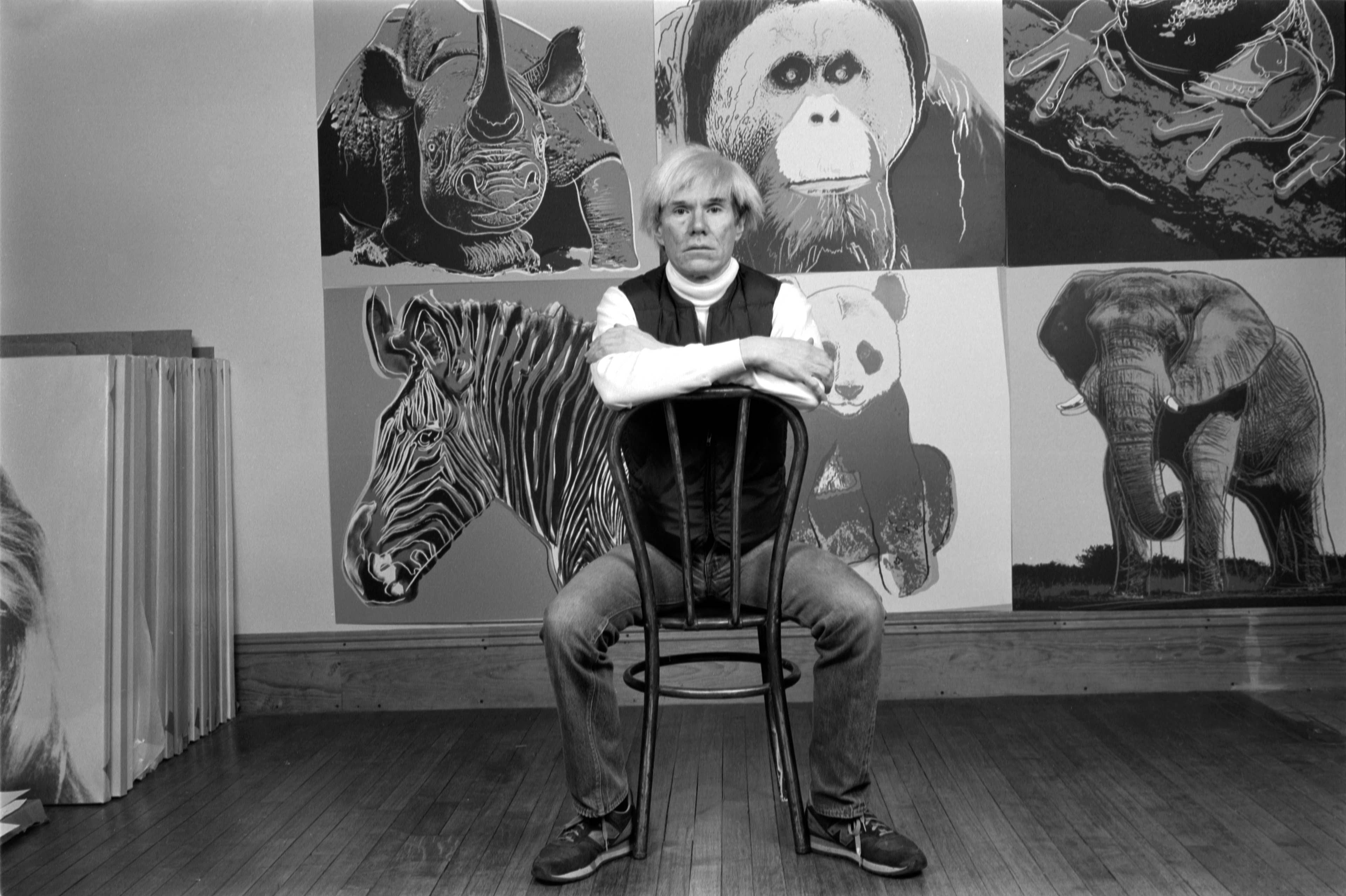
For decades now, Lou Reed‘s “Walk on the Wild Side” has been used as a sort of pop culture shorthand to conjure up the vibe of New York City in the early ’70s. It’s been featured in the soundtracks of countless movies and TV shows and sampled by musical acts as diverse as A Tribe Called Quest and Marky Mark and the Funky Bunch. In 2010, Rolling Stone ranked “Walk on the Wild Side” at #223 on a list of the “500 Greatest Songs of All Time.” In short, it’s about as iconic as a song can get. But as it turns out, the track almost had a very different focus.
Released on Reed’s classic 1972 album Transformer, “Walk on the Wild Side” was the legendary singer-songwriter’s biggest commercial hit, peaking at #16 on the Billboard Hot 100 singles chart in April 1973. The song was pretty revolutionary at the time, as it told the stories of a cast of real-life counterculture characters from Andy Warhol‘s Factory scene. Initially, though, it was about a different cast of characters…literally.
According to the renowned author Salman Rushdie, who was a friend of Reed, the late musician wrote the song for a musical version of another writer’s novel.
“Originally, it [“Walk on the Wild Side”] was written to go as the title track of this Nelson Algren musical, based on Nelson Algren’s novel, Walk on the Wild Side,” Rushdie explained on BBC Radio 4’s Desert Island Discs in 2025.
“And then the musical fell apart, never happened, and so…the music is the same, but he rewrote the lyrics, dropping the characters from the novel, and replacing them with characters from the Warhol Factory,” he continued.
“I always thought it would be kinda fun to introduce people to characters they maybe hadn’t met before, or hadn’t wanted to meet,” Reed himself explained of his lyrical inspiration in Transformer: The Lou Reed Story.
Each verse of “Walk on the Wild Side” is about a different person from Warhol’s entourage: Holly Woodlawn, Candy Darling, Joe Dallesandro, Joe Campbell (Sugar Plum Fairy) and Jackie Curtis.
Advertisement
As Woodlawn later told The Guardian, the part about her (including the line “plucked her eyebrows on the way”) was indeed accurate.
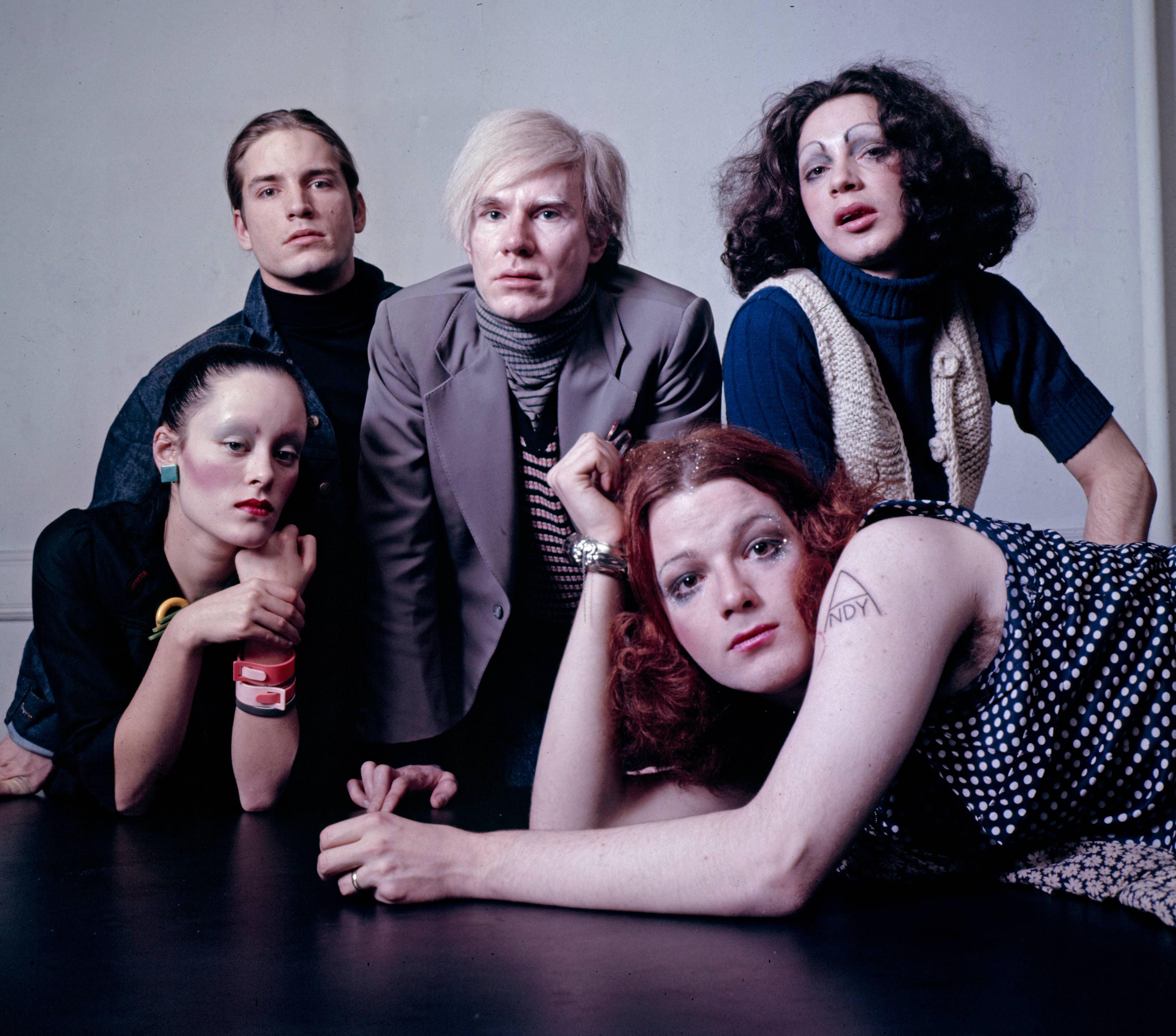
Jack Mitchell / Getty Images
“My father got a job at a hotel, so we moved from New York to Miami Beach,” Woodlawn recalled.
“I was going to school, getting stones thrown at me and being beaten up by homophobic rednecks,” she continued. “I felt I deserved better, and I hated football and baseball. So, aged 15, I decided to get the hell out of there and ran away from home. I had $27, so hitchhiked across the USA. I did pluck my eyebrows in Georgia. It hurt! My friend Georgette was plucking them and I was screaming, but all of a sudden I had these gorgeous eyebrows and she put mascara on my eyes.”
Dallesandro felt differently, telling The New York Times that Reed hadn’t even met him yet when he wrote the song and based his verse on the character he played in Flesh.
Photographer Timothy Greenfield-Sanders, however, who documented the Factory scene, made a strong point when he said, “If Lou hadn’t written that song, none of these characters would be remembered.”
Related: 1972 Rock Hit, Recorded in a Single Day, Is Making a Sudden Resurgence
This story was originally published by Parade on Sep 6, 2026, where it first appeared in the News section. Add Parade as a Preferred Source by clicking here.
Source: “AOL Entertainment”
