


Tatler’s Little Black Book has gone inclusive... almost
Tatler’s Little Black Book has gone inclusive... almost

Alice CockerellSun, November 1, 2026 at 12:00 PM UTC
0
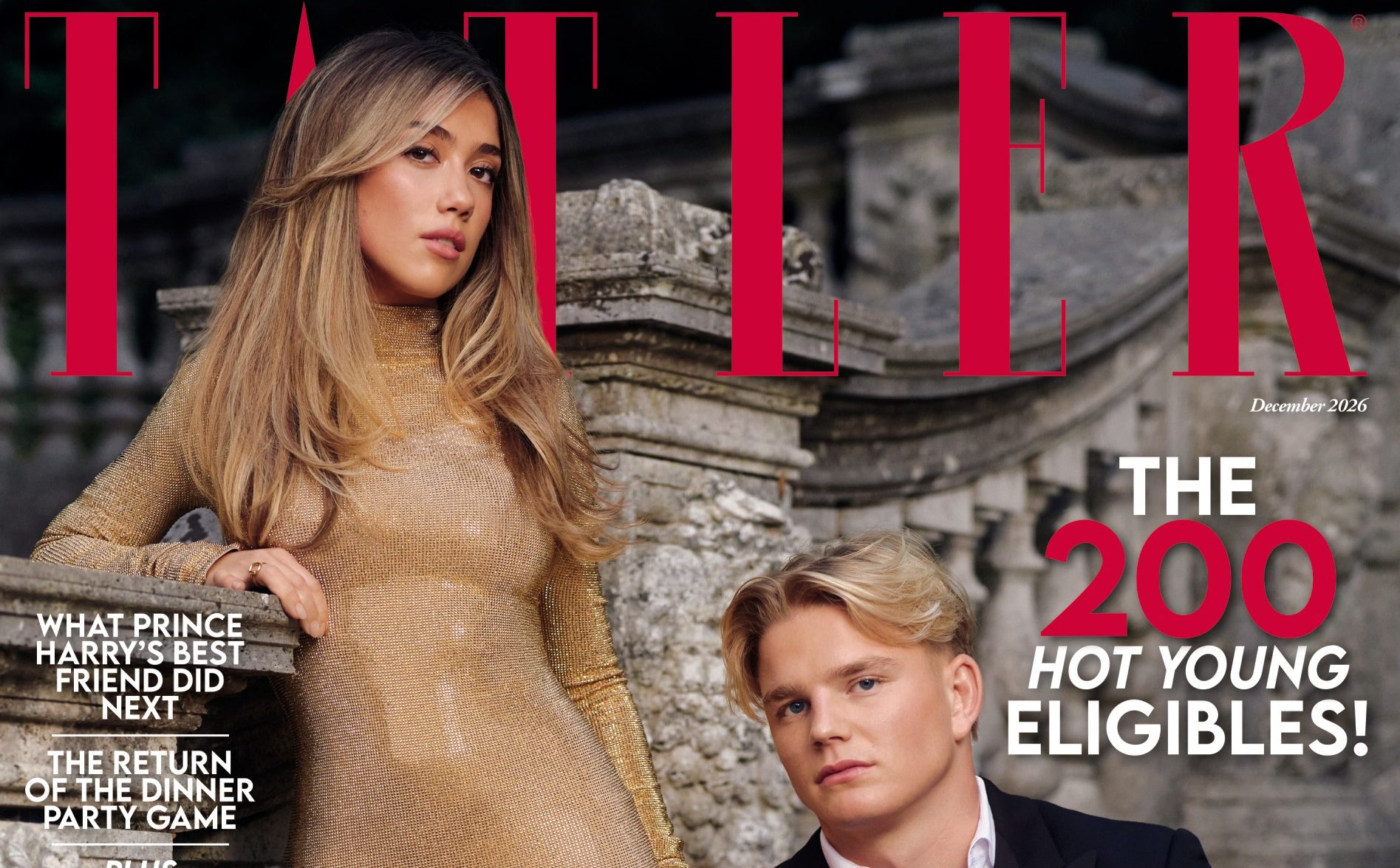
Tatler’s December issue, starring Valentina Pinault and Henry Pollock - Tatler
This must have been what it was like when the Bible was first translated into English to better communicate with the common man. Tatler – the posh person’s survival guide – has gone inclusive.
Well, almost inclusive. Inclusive in the sense that for the first time this year’s Little Black Book, the hallowed listing of society’s 200 hottest dates, has culled tranches of the usual aristocrats in favour of candidates of less patrician stock.
Although two Lords (Doune and Caspar Spencer-Churchill) and a Lady (Georgina Hope) have dodged the guillotine and made it into the Black Book’s top 10, the company they keep is unexpected.
Though scions of political dynasties are by no means unknown in the glossy monthly, as the daughter of a Labour prime minister, Rosie Burnham, a 24-year-old Jägermeister executive (ranked number four), is breaking new ground. So too with the athletes. Never dismissive of a well-heeled cricketer or rugger player or two, historically Tatler has stayed well away from footballers and sprinters. Not so this year, where the number two and seven positions have been awarded to Jobe Bellingham and Amy Hunt respectively.
In many ways Tatler is a remarkable magazine. Remarkably silly, but remarkably savvy too. I was, very briefly, an associate editor and my process was simple. On the morning of a features meeting I would look around on my way to work and add the word posh to things.
Advertisement

Rosie Burnham, Andy Burnham’s middle child, ranked fourth on the list of eligible people - LinkedIn
When my turn came to pitch my ideas I would pipe up: “Yars, now I think there is something to be written about posh public transport…How do the swells really get around? 1,200 words, great. Yup, and how about, um, posh bacon butties? I heard the Marquis of Salisbury has a pig called The Empress of Hatfield. Should we do a profile on her?”
For all this the magazine is considered one of Condé Nast’s success stories. The readership is small but monied so they can command the big bucks for the many advertisements that pad the posh pages. The question is whether this drive towards egalitarianism will tarnish the brand? Ex-editor Emma Soames, who caused an aristocratic frenzy when she published an anti-monarchy article by Christopher Hitchens, thinks it is all to the good. “Why not?” says Soames, “as long as they are pretty and bright. I say, go for it.”
Over the years the great skill of Tatler has been very similar to that of its beloved mothership the Royal Family. Known as the “Marmite jar strategy” royal aides, like Queen Elizabeth II’s private secretary Robin Janvrin, knew the trick to a successful monarchy was to make it look like it never changed, but to slowly shift bit by bit over the years to keep up with the times.
So too with Tatler. I was there just after the Oligarch Years, where, although overwhelmingly still dominated by blue bloods, a notable number of the magazine’s pages were dedicated to the new Russian denizens of Londongrad. During my time we made a concerted, though slightly feeble, attempt at being cool and even daringly diverse. When the time came for the Little Black Book to be gathered, we were urged to think outside the box. We were still to pore over Debrett’s for singletons of suitable age and breeding but ideally they would have another trendy string to their bow: a titled rock star, model or a Nigerian prince was considered the jackpot.
Perhaps it was always inevitable that the tumbrils would one day come for the magazine’s listed aristocrats. The question is, will the Tatler Terror be its making or its downfall?
Source: “AOL Entertainment”
